In the hustle and bustle of daily life, it’s easy to overlook the silent guardians that keep us safe on our commutes — the roads themselves. But what if the roads were more than just asphalt and concrete? Imagine if they were smart, equipped with technology that could communicate with vehicles and pedestrians alike. This isn’t some sci-fi fantasy; it’s happening right now. Smarter roads can monitor traffic conditions, detect accidents, and even guide drivers away from potential hazards. It’s like having an invisible safety net that’s always there, working tirelessly to make travel safer for everyone.
Picture roads embedded with sensors that can detect changes in weather conditions, alerting drivers to icy patches or heavy rain ahead. These sensors can also monitor traffic flow and adjust traffic signals to reduce congestion and minimize the chances of accidents. It’s not just about convenience; it’s about saving lives. And let’s not forget about those digital road signs that can update in real-time, providing crucial information about road closures or detours. These smart roads are becoming an integral part of our transportation infrastructure, quietly revolutionizing the way we travel.
How ai is making public transport safer
Public transport has always been a lifeline for millions of people around the world. But with the rise of artificial intelligence (AI), it’s becoming safer and more efficient than ever before. AI can analyze vast amounts of data to predict and prevent potential security threats. For instance, AI-powered surveillance systems can identify suspicious behavior in real-time, alerting authorities before an incident occurs. It’s like having a team of vigilant guardians watching over passengers, ensuring their safety at all times.
Moreover, AI is enhancing the reliability of public transport systems by predicting maintenance needs before a breakdown occurs. Imagine a bus that knows when it’s about to have a mechanical issue and schedules its own maintenance without disrupting the service. This predictive maintenance not only improves safety but also ensures that public transport remains a dependable option for commuters. And then there are AI-driven apps that provide real-time updates on schedules and delays, helping passengers plan their journeys more efficiently. It’s clear that AI is not just a buzzword; it’s a game-changer for public transport safety.
Cutting-edge vehicle safety features
The rise of autonomous emergency braking
Driving has always come with its risks, but modern vehicles are equipped with cutting-edge safety features that make the roads safer for everyone. One such feature is Autonomous Emergency Braking (AEB). This technology can detect an imminent collision and automatically apply the brakes if the driver doesn’t react in time. It’s like having an extra set of eyes on the road, ready to step in when needed. Studies have shown that AEB can significantly reduce the number of rear-end collisions, making it a must-have feature in new vehicles.
AEB works by using a combination of sensors and cameras to monitor the road ahead. When it detects a potential collision, it sends an alert to the driver and prepares the braking system for maximum stopping power. If the driver doesn’t respond quickly enough, AEB takes over and applies the brakes automatically. This split-second reaction can mean the difference between a close call and a serious accident. With more and more manufacturers including AEB as standard, it’s clear that this technology is paving the way for safer driving experiences.
Benefits of advanced driver assistance systems
Advanced Driver Assistance Systems (ADAS) encompass a range of technologies designed to enhance vehicle safety and make driving easier. These systems include features like lane departure warnings, adaptive cruise control, and blind-spot detection. Each of these features plays a crucial role in preventing accidents and keeping drivers safe on the road. Lane departure warnings alert drivers when they unintentionally drift out of their lane, while adaptive cruise control maintains a safe distance from the vehicle ahead, adjusting speed as needed.
Blind-spot detection is another game-changer, especially during lane changes on busy highways. This system uses sensors to monitor areas that are typically out of view and alerts the driver if there’s another vehicle in their blind spot. By providing these extra layers of protection, ADAS helps drivers make better decisions and react more quickly to potential hazards. As these technologies continue to evolve, they promise to make our roads even safer.
Enhancing security in airports and rail stations
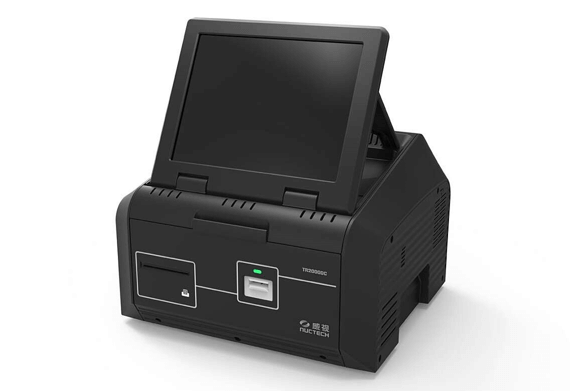
Airports and rail stations are bustling hubs where thousands of people converge daily. Ensuring security in these environments is paramount, yet incredibly challenging. Fortunately, advancements in security technology are making it easier to keep these spaces safe. High-tech scanners, such as those found in vehicle inspection equipment, can quickly screen large volumes of passengers and their belongings without causing significant delays. These systems use sophisticated algorithms to identify potential threats accurately, similar to an explosive detection system, reducing both false alarms and missed detections.
Another significant development is the use of facial recognition technology for passenger identification. This tech speeds up the boarding process while enhancing security by ensuring that only authorized individuals gain access to restricted areas. With cameras strategically placed throughout airports and stations, security personnel can monitor activities in real-time, identifying suspicious behavior before it escalates into an incident. These measures collectively create a safer environment for travelers without compromising efficiency.
See also: Pgotoacom Best Technology Stocks for the Future
The future of transportation security
The future of transportation security looks promising as technology continues to evolve at a rapid pace. Emerging technologies like blockchain could soon play a role in securing supply chains, ensuring that goods transported across borders are tamper-proof and traceable. Drones might be used for aerial surveillance in large transport hubs or along critical infrastructure routes, providing an additional layer of oversight.
Moreover, cybersecurity will become increasingly important as vehicles and infrastructure become more interconnected through IoT (Internet of Things) devices. Protecting these networks from cyber-attacks will be crucial to maintaining overall transportation security. The integration of AI-driven analytics will also help predict and mitigate security risks before they materialize, making proactive security measures more effective.
In conclusion, smarter roads, advanced vehicle safety features, AI-enhanced public transport systems, and cutting-edge security technologies in airports and rail stations are transforming transportation security. These advancements promise not just safer travel but also greater peace of mind for everyone on the move.