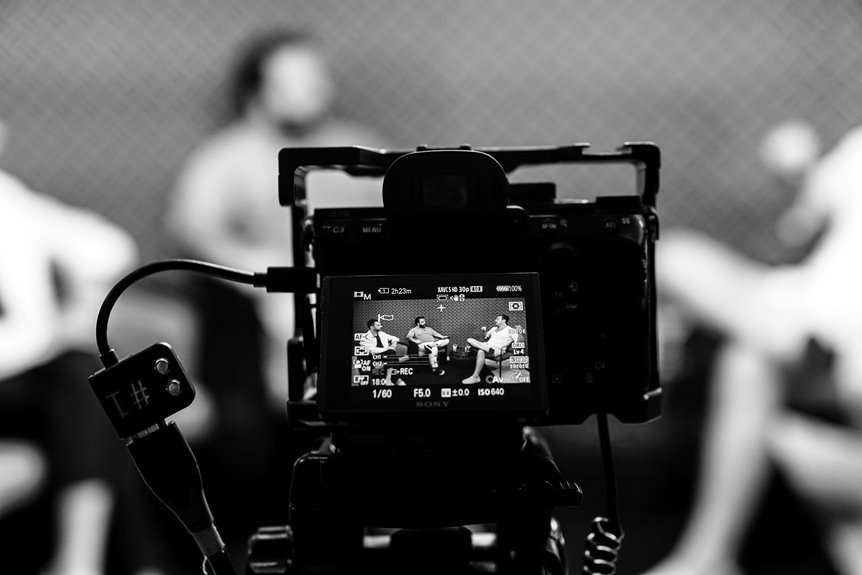

Visual storytelling in television relies on concrete, observable techniques rather than dialogue alone. Analysts examine composition, framing, and shot duration to reveal power structures and focus, then assess color and lighting for mood and moral alignment. Editing rhythm, camera movement, and sound design shape pace and emotional impact, while performance foregrounds intent. The approach is evidence-based and interpretive, guiding viewers to notice how forms cohere to convey meaning. The next step challenges assumptions and invites deeper close ones.
What Visual Storytelling in TV Actually Is
Visual storytelling in television refers to the integrated use of imagery, composition, lighting, color, camera movement, and editing to convey narrative meaning and emotional subtext without relying solely on dialogue.
The concept, primarily, rests on how visual elements align with narrative goals, shaping subtopic relevance and audience perception.
Subtle choices hint at intention, guiding interpretation, while maintaining freedom through evidence-based analysis and observable, verifiable techniques.
concept definition, audience interpretation
How Composition and Framing Shape Meaning
Composition and framing operate as core instruments of meaning-making in television, shaping how viewers attend to characters, actions, and context. This analysis emphasizes how composition framing guides attention, organizes spatial relationships, and encodes power dynamics. By examining shot selection and framing choices, researchers reveal how meaning through angles arises, clarifying intent without verbal exposition and supporting audience-driven interpretation within storytelling systems.
How Color, Lighting, and Mood Cue Subtext
Color, lighting, and mood operate as subtext amplifiers that encode character states, thematic threads, and narrative tensions beyond dialogue and action. Observers assess color psychology to infer emotional landscapes and moral alignment, while lighting symbolism marks shifts in power and vulnerability. This analytic lens clarifies how visuals encode subtext, guiding viewers toward nuanced interpretation without explicit exposition or rhetoric.
How Editing Rhythm and Camera Movement Drive Emotion
Editing rhythm and camera movement function as dynamic instruments that shape audience emotion by modulating pace, focus, and spatial perspective. In analysis, editors calibrate tempo to reflect narrative urgency and character intent, while camera movement encodes mood through trajectory and proximity. The interplay clarifies causal links, directs attention, and sustains engagement, demonstrating that editing rhythm and camera movement fundamentally influence emotional interpretation.
How Performance, Sound Design, and Editing Come Together to Tell Story
Performance, sound design, and editing converge as an integrated system that shapes narrative meaning by aligning dialogue delivery, sonic texture, and cut structure with on-screen action.
Analysis shows how ambiguous performance artifacts and deliberate sonic design inflect viewer interpretation, while strategic editing mediates pacing and emphasis.
The result is a cohesive storytelling language that respects audience autonomy and interpretive freedom.
Frequently Asked Questions
How Do Recurring Motifs Indicate Character Arcs Across Episodes?
Recurring motifs signal character arcs by echoing internal change; blocking symbolism reinforces this through deliberate staging, while visual storytelling links disparate episodes into a coherent evolution, enabling audiences to trace evolving motives, tensions, and resolutions across scenes and arcs.
What Role Does Audience Familiarity Play in Visual Storytelling?
Audience familiarity shapes narrative resonance, tempering expectations as recurring motifs align with character arcs; viewers anticipate reflexive cues, which strengthens cohesion and meaning, while evidence suggests familiarity enhances interpretive depth without constraining creative risk.
Can Symbolism Be Conveyed Through Blocking Alone?
“Yes, symbolism can emerge from blocking alone.” The analysis notes that symbolic color and careful staging gestures convey meaning even without dialogue, supported by studies of composition, timing, and viewer inference, reflecting analytical, evidence-based interpretation for a freedom-seeking audience.
How Do Genre Conventions Influence Visual Storytelling Choices?
Genre conventions guide visual storytelling choices by shaping pacing, framing, and symbolism; analysts observe how established norms constrain or empower stylistic experiments, altering audience interpretation while maintaining coherence within genre expectations and evidencing genre-specific storytelling logic.
What Are Common Pitfalls in Visual Storytelling for Beginners?
Common misinterpretations arise when beginners overemphasize symbolism, while overcomplicated visuals obscure meaning; disciplined viewers note clarity, pacing, and functional imagery, using evidence from scenes to support interpretation rather than spectacle, preserving audience freedom and analytical rigor.
Conclusion
In watching television, the storyteller is a silent cartographer. Visual choices sketch the map: lighting shadows as treacherous valleys, color as weathered landmarks, framing as gatekeepers of truth. Editing conducts the voyage, quickened by urgency or slowed to reveal motive, while sound and performance provide coordinates that anchor meaning. Together these techniques chart intent, guide audience perception, and reveal alliances beneath dialogue. The result is a navigable landscape where viewers infer purpose from craft, not just from words spoken.