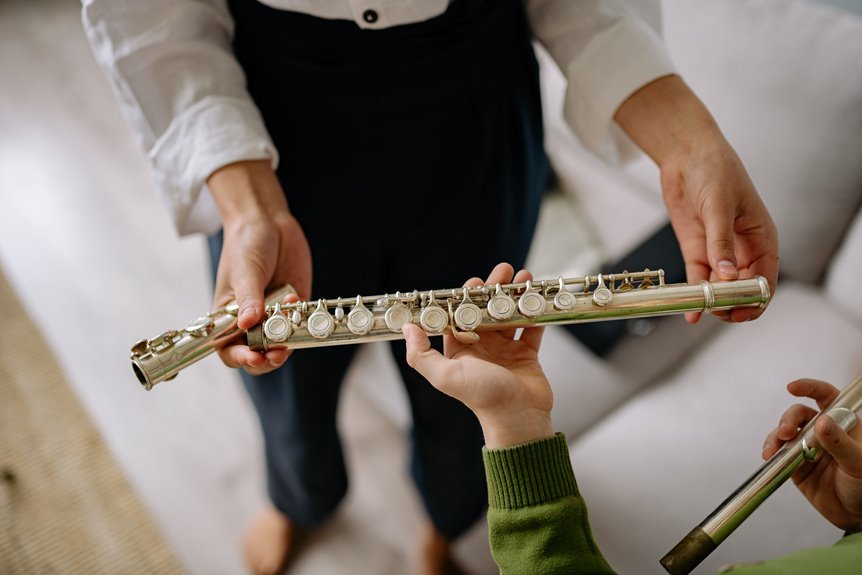

Choosing a beginner instrument starts with matching personal interests to practical criteria. A thoughtful approach weighs music styles, learning pace, access to lessons, budget, and a quick-start checklist. Each factor helps identify what feels rewarding and doable. The right fit should spark motivation while fitting real life, yet remains flexible for future shifts. The method invites a disciplined, curious exploration that invites the reader to explore further before deciding.
What Music Styles Best Fit Beginners?
When choosing a beginner instrument, certain music styles naturally align with short training paths and early success. The article outlines styles for beginners that reward steady progress and clear feedback. It highlights genres to explore for rapid familiarity with rhythm, harmony, and technique. Readers gain a practical sense of how approachable genres support confidence, motivation, and sustained exploration across accessible instruments.
How Learning Pace Shapes Your Instrument Choice
A learner’s pacing plays a major role in selecting an instrument, because the speed at which skills develop shapes both motivation and achievable milestones. Learning pace informs instrument choice by aligning practice demands with personal endurance and interests. Consider exercise tempo and session structure to sustain progress, minimize frustration, and maintain autonomy while progress remains steady, enjoyable, and purposefully directed.
How Availability of Lessons and Community Support Influence Decisions
Accessibility to instructors and the strength of local or online communities can strongly steer a beginner’s instrument choice. Availability of lessons and robust networks shape options, enabling timely progress and confidence. Availability networks offer variety, while community motivation sustains practice and experimentation. When guidance is accessible, learners feel empowered to explore, compare, and commit, appreciating autonomy within supported, collaborative environments.
Budget-Friendly Picks That Still Spark Joy
Budget-friendly options can align with personal interests without sacrificing enjoyment or progress. In this section, the focus is on budget friendly instruments that remain beginner friendly, yet provide satisfying experience. The guidance emphasizes affordable choices, durable basics, and simple setups. This approach supports autonomy, reduces barriers, and sustains motivation. Readers learn to evaluate cost, maintenance, and potential for long-term musical growth.
Quick-Start Criteria: A Simple Checklist to Pick Your Instrument
Are you unsure where to start when selecting a beginner instrument? A quick-start checklist helps separate options by practical fit. Consider ergonomics, budget, and space, then assess weekly practice time. Track beginner friendly challenges and how they align with goals. Ensure musical curiosity alignment with instrument features, sound, and playability. Use this straightforward rubric to guide confident, freedom-oriented choices.
Frequently Asked Questions
Do Beginner Instruments Affect Long-Term Musical Career Goals?
Beginner instruments can shape long term goals through early commitment; consistent practice builds skill and confidence, influencing future trajectory. A thoughtful choice supports steady beginner commitment and aligns with long term goals, fostering flexibility, motivation, and sustained musical exploration.
How Do Cultural Interests Influence Instrument Sustainability?
A hypothetical student adopts a culturally rooted instrument, showing how cultural identity sustains interest and practice; tradition adaptation keeps strings thriving. The example demonstrates how instrument sustainability depends on relevance, respect, and ongoing community support within musical contexts.
Can Instrument Choice Impact Mental Health and Motivation?
Yes, instrument choice can influence mental health and motivation. It may boost meditation benefits through focused practice, and support beginner motivation by aligning interests with manageable goals, routine enjoyment, and a sense of progress toward personal musical freedom.
What Role Do Ergonomic Concerns Play for Beginners?
Ergonomic concerns significantly influence beginners by shaping comfort and long-term viability. Prioritize ergonomic comfort and correct hand posture to reduce strain, enable steady practice, and sustain motivation. Thoughtful instrument selection supports sustainable technique and personal musical freedom.
Should Instrument Popularity Sway Initial Enthusiasm or Long-Term Fit?
A popularity bias can cloud judgment; initial enthusiasm may fade, so focus on fit. The instrument should serve long-term curiosity, not trend alone. In choosing, compare mechanics, sound, and comfort, then choose with deliberate, independent reasoning.
Conclusion
Choosing a beginner instrument is a doorway, not a wall. Picture a cozy music nook: sunlight on polished keys, a crisp breath shaping a hopeful horn, strings gliding like silk under fingertips. Each option offers its own path—rhythmic spark, steady practice, welcoming communities, and durable value. Trust the image that fits your goals, pace, and resources. With careful alignment to curiosity and comfort, the first chord or note becomes a simple, joyful invitation to progress. Your musical journey begins now.