Newsletter Subscribe
Enter your email address below and subscribe to our newsletter

 ByOlivia
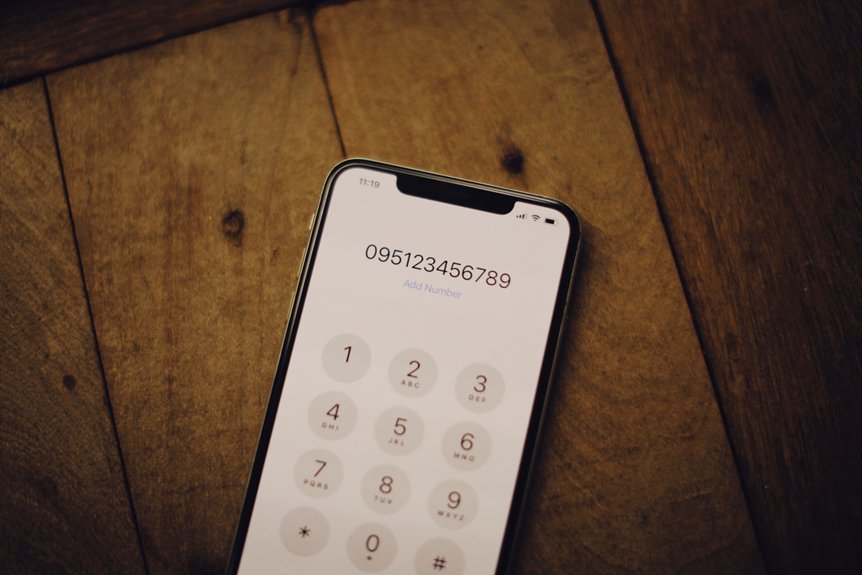
Telephone contact verification involves assessing the legitimacy of numbers such as 3524154909, 513-696-1920, 8163078882, and others listed, through structured checks and records validation. The approach is methodical: confirm ownership, cross-check caller clues, and document each step for auditability. While these practices reduce misdirection and fraud, they also reveal gaps and complexities that warrant continued scrutiny and refinement as teams scale. The next step exposes how to implement consistent, auditable processes across organizations.
Telephone contact verification is the process of confirming that a telephone number belongs to the intended individual or organization and that it can reliably be used for future communication. This assessment quantifies reliability, reduces misdirection, and supports data integrity. Verification benefits include reduced fraud risk and improved data accuracy, while caller transparency fosters trust and accountability in subsequent interactions.
There are observable indicators that a caller’s identity may be unreliable, and recognizing these signals is essential for safeguarding communications. The analysis identifies red flags such as inconsistent caller identity data, urgent or coercive language, unsolicited requests for personal information, and inconsistencies between disclosed organization and claimed affiliation.
Awareness reduces risk by clarifying the reliability of the caller identity and access.
In light of the red flags identified previously, this section outlines a structured, methodical approach individuals can use to verify telephonic interactions step by step.
The process emphasizes phone verification techniques, independent checks, and documentation.
It dissects caller identity clues, cross-referencing numbers, company spokespeople, and public records, ensuring decisions are data-driven, verifiable, and resistant to manipulation without external pressure or assumptions.
A scalable approach to verification for organizations combines standardized workflows, centralized data governance, and reusable components to support diverse teams at scale. This framework enables consistent decision-making, rapid onboarding, and auditable processes. Email security and risk assessment are integral: automated checks protect communications and quantify exposure, while modular verification services adapt to changing regulatory requirements, ensuring governance without stifling autonomy.
Yes, preliminary analysis suggests some numbers align with known scam or telemarketing patterns; however, cross-referencing unrelated datasets remains privacy preserving, enabling evaluation without exposing personal data while maintaining a methodical, privacy-conscious assessment.
Updating frequency should be quarterly; verification cadence balances risk and effort. Contact verification updates occur when data shows drift or new identifiers emerge, and data refresh intervals align with regulatory guidance and organizational risk tolerance, ensuring current legitimacy and trust.
Privacy compliance in his region rests on regional regulations governing telecommunication data handling, consent, and retention. The analysis notes jurisdiction-specific constraints, emphasizing lawful collection, transparent use, and secure storage to satisfy privacy requirements and individual rights.
Caller ID can be spoofed even after verification; verification reduces risk but cannot eliminate it. The analyst notes that ongoing diligence, anomaly detection, and updated authentication protocols are essential to mitigate phone spoofing and preserve trust.
Real time verification tools exist, enabling live checks of caller identity. Verbal authentication methods assess voice features and stated details. The analysis emphasizes rapid assessment, reproducible results, and transparency, supporting independent verification while preserving user autonomy and privacy.
In conclusion, telephone contact verification functions as a disciplined quality gate for communications, systematically validating numbers against identity clues, public records, and documented steps. By flagging inconsistencies and recording verifications, organizations reduce misdirection and fraud while preserving data integrity. The process resembles a calibrated audit trail, where each call and credential forms a rung on a transparent ladder toward trustworthy outreach. When implemented consistently, it fosters scalable onboarding and auditable, cross-team reliability across channels.