
Newsletter Subscribe
Enter your email address below and subscribe to our newsletter

 ByJohn A
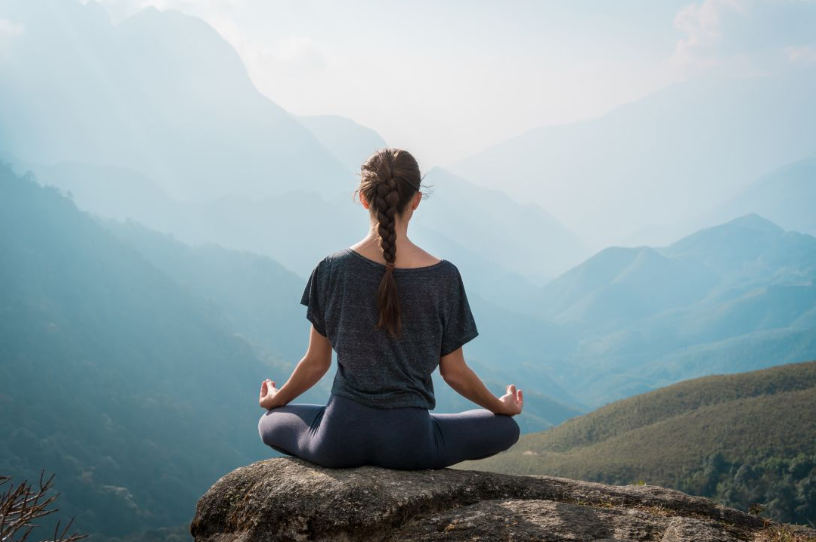
Meditation creates a quiet space where the mind can reflect, release negativity, and return to a state of balance. It helps individuals observe their inner world with clarity, making room for genuine transformation from within.
To understand how is meditation important to buddhism, we must look at its central role in self-purification.
In Buddhist practice, meditation purifies the mind of greed, anger, and ignorance, enabling practitioners to cultivate ethical living and spiritual clarity. This inner cleansing leads to a life guided by wisdom, compassion, and true freedom.
Mindfulness means observing your thoughts, feelings, and bodily sensations as they arise, without judging them or believing they define who you are. Gently label what you feel, like “thinking” or “anger,” to create space between you and your mind.
Self-awareness means paying attention to what you’re thinking, feeling, and sensing in your body. Naming your emotions makes them easier to manage, and remembering they’re temporary helps you stay calm. Self-awareness means paying attention to what you’re thinking, feeling, and sensing in your body. When you can name your emotions, like “I’m feeling angry” or “I’m feeling nervous,” it becomes easier to deal with them. Emotions are temporary and pass like the weather.
In Buddhism, unhelpful thoughts and emotions like anger or jealousy are called kleshas. Instead of thinking they define you, simply notice them without getting caught up. For example, say “There is anger” instead of “I am angry.” By labeling these thoughts and gently returning your focus to the present moment, you can weaken their hold and respond more calmly and wisely.
The Buddha taught five ways to work with negative thoughts:
Let go if nothing else works.
See also: Life Insurance Policy for Seniors Is Unnecessary, And Also 5 Even More Insidious Retired Life Myths
Mindfulness means paying full attention to what you’re doing, like walking or washing dishes. You can wear a bracelet or use a sticker to remind yourself to stop and notice your thoughts. If you feel upset, take a moment to understand your feelings without blaming yourself. Just be kind and aware.
This practice leads to greater freedom, emotional balance, and kindness toward yourself.
Meditation is at the heart of Buddhist practice because it purifies the mind from within, removing defilements like greed, anger, and delusion.
Meditation is not a side practice but the essential method through which Buddhists cleanse, transform, and liberate the mind, integrating ethics, concentration, and wisdom on the path to enlightenment.
In Buddhism, living ethically and having a clear spiritual understanding are closely connected. Here’s how they work together:
Meditation and inner cleansing can bring great benefits to every part of your life. Here’s how they help:
Meditation clears away mental noise, helping you focus better and make decisions more easily. Letting go of negative feelings and past pain brings emotional calm, kindness, and peace.
Meditation helps your body feel better by lowering stress, improving sleep, and easing long-term health issues. Breathing exercises during meditation can also boost your energy and make you feel more alive.
Meditation opens your mind to deeper understanding about yourself and life, leading to wisdom and spiritual freedom. Clearing out inner clutter can feel like a fresh start, helping you find new direction and meaning.
Meditation brings inner peace, helping you stay calm, kind, and patient, which leads to more honest and caring relationships.
Being more resilient means you can stay strong and adapt when life is hard. Coping well means healthily handling stress. These skills help you stay calm and steady during tough times. Practicing mindfulness often can make these skills even stronger.
In Buddhism, meditation is important because it helps you clear and calm your mind. This makes it easier to let go of things like anger, greed, and confusion, which are the main causes of suffering. Meditation helps you live with greater honesty, kindness, and inner peace.
It strengthens key Buddhist teachings, such as the Eightfold Path and the Threefold Training, which lead to wisdom, mental clarity, and a more balanced life. So, meditation is not just a way to relax. It is a core practice for spiritual growth, deeper self-understanding, and discovering true peace.