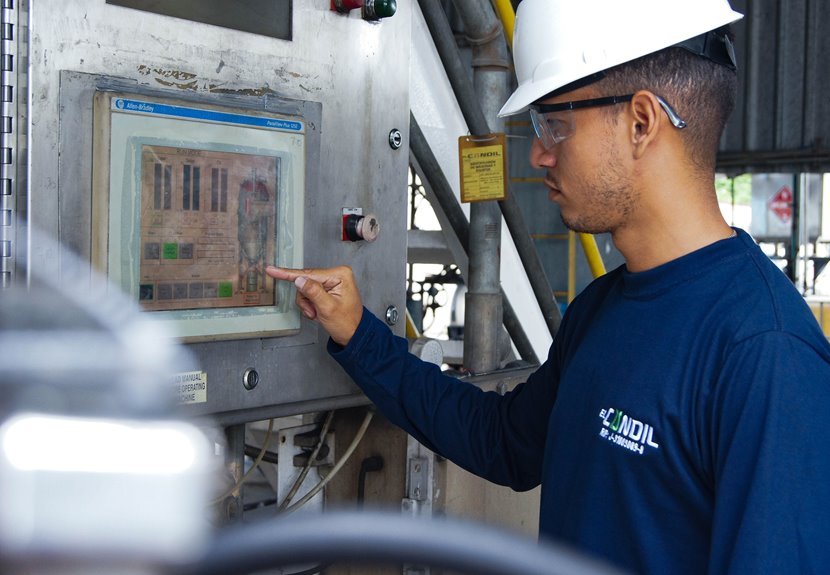

Process monitoring for material defects should link defect types to specific process variables within a structured taxonomy, enabling traceability from batch to unit and rapid deviation analysis. Real-time data collection, standardized inspections, and SPC-based alerts support consistent decisions across lines. The approach integrates dashboards, standardized sampling, and cross-functional interventions, with periodic audits to validate actions and sustain gains. The implications for operator capability and metrics-driven outcomes warrant further exploration.
Identify Meaningful Quality Metrics for Material Defects
Identifying quality metrics for material defects requires a structured approach that links defect types to process variables and outcomes. The analysis relies on a well-defined defect taxonomy and disciplined data capture to quantify incidence, severity, and containment. Metrics emerge from systematic measurement, enabling comparisons across batches, processes, and time, while preserving freedom to refine definitions, thresholds, and corrective actions without bias.
Establish Traceable Lot Tracking Across the Line
Establishing traceable lot tracking across the line requires a systematic framework that unambiguously links each manufactured unit to its originating batch, processing steps, and material inputs. The approach enforces traceable lot integrity through standardized identifiers and documented handoffs. Cross functional alignment ensures consistent data capture, auditability, and rapid deviation analysis, supporting precise defect attribution and continuous process improvement.
Implement Real-Time Data Collection and Visualization
Implement Real-Time Data Collection and Visualization. The approach unifies sensor feeds and machine logs into a cohesive stream, enabling immediate visibility of process health. Analysts extract insightful metrics, monitor trends, and detect deviations with rigor. Data visualization presents layered views—timestep, batch, and line-level—facilitating rapid interpretation while preserving context. Systematic collection minimizes latency and supports informed, autonomous decision-making.
Apply Statistical Process Control for Early Alerts
How can statistical process control (SPC) enable early defect alerts within a monitored manufacturing workflow? SPC quantifies variation, sets control limits, and flags outliers promptly. Data visualization supports rapid interpretation, while anomaly detection isolates deviations from stable behavior. This disciplined approach reduces false alarms, prioritizes corrective action, and sustains process capability, enabling proactive, continuous improvement without overreacting to normal fluctuations.
Standardize Automated Inspections and Sampling
Standardizing automated inspections and sampling ensures consistent data quality and traceable decision-making across production lines. The approach emphasizes predefined criteria, repeatable methods, and documented thresholds, minimizing variability. Standardized inspections provide comparable results, while automated sampling accelerates coverage without sacrificing accuracy. This discipline supports objective judgments, reduces rework, and enables scalable monitoring, balancing rigorous control with operational flexibility for a freedom-minded workforce. standardized inspections, automated sampling.
Close the Data Loop With Root Cause Analysis
Root cause tracing establishes the causal link between observed defects and process factors, enabling targeted interventions grounded in evidence.
Data-driven resolution translates defect insights into corrective actions, verified by measurement and iterative refinement. This approach closes the data loop by aligning findings with actionable improvements and measurable outcomes.
Root Cause Tracing
Effective root cause tracing closes the data loop by linking observed defects to underlying process conditions through disciplined investigation, data correlation, and iterative testing.
The approach emphasizes transparent, methodical examination of evidence, enabling objective interpretation and traceable reasoning.
Data-Driven Resolution
Data-driven resolution closes the data loop by translating observed defects into actionable root causes through structured analysis, objective data correlation, and controlled experimentation. It emphasizes reproducible methods, rigorous evidence, and transparent decision criteria.
Data driven diagnostics enable continuous learning, while defect forecasting guides proactive interventions, reducing variability.
The approach aligns process control with freedom to optimize, experiment, and iterate confidently.
Use Process Robustness Techniques to Reduce Variation
Process robustness techniques aim to limit variation by strengthening the resilience of manufacturing steps to perturbations in inputs, environment, and equipment. Systematic design of tolerant processes, capability analysis, and controlled experimentation yield repeatable results. By identifying root causes and implementing standardized guards, process robustness supports variation control, enabling stable throughput while reducing defect propensity and preserving product reliability across diverse operating conditions.
Align Cross-Functional Teams for Timely Interventions
Cross-functional alignment establishes common objectives, data ownership, and clear handoffs to support timely interventions. Timely intervention triggers are defined across functions, with shared metrics and escalation paths to prevent delay and ensure rapid corrective action. Shared accountability practices formalize roles, responsibilities, and decision rights to sustain continuous improvement.
Cross-Functional Alignment
Effective cross-functional alignment is essential for timely interventions when material defects arise. The analysis identifies how cross functional teams synchronize objectives, data, and responsibilities to support rapid cause verification and corrective action.
Process alignment clarifies handoffs, metrics, and escalation paths, reducing ambiguity.
Systematic governance ensures consistent communication, documentation, and accountability, enabling proactive defect containment without duplicative efforts or delays.
Timely Intervention Triggers
Timely intervention triggers are the predefined conditions that activate cross-functional collaboration to contain defects promptly. Timely triggers function as objective signals, framing when escalation is necessary and preventing drift.
Intervention cues are monitored metrics, deviation thresholds, and recovery windows that prompt rapid consultation, decision rights alignment, and targeted containment actions, ensuring disciplined responses and minimal material impact.
Shared Accountability Practices
Shared accountability is foundational to aligning cross-functional teams for timely interventions. The practice emphasizes clearly defined roles and shared accountability across departments, ensuring rapid escalation and consistent follow-through.
Process ownership emerges as a measurable commitment, with documented ownership matrices and performance indicators.
Transparent communication reduces ambiguity, while regular reviews reinforce accountability, enabling precise interventions and continuous improvement without unnecessary ritual.
Create Actionable Alerting and Escalation Protocols
Creating actionable alerting and escalation protocols translates data insights into timely, coordinated responses. The analysis outlines clear thresholds, responsible roles, and escalation pathways that trigger predefined actions. Alerting protocols minimize reaction delay by prioritizing defects and routing alerts to appropriate teams. Systematic documentation ensures traceability, reproducibility, and metrics alignment, fostering disciplined accountability while preserving operational freedom to adapt procedures when data indicate new patterns.
Sustain Improvement With Periodic Reviews and Training
Periodic process audits, targeted training sessions, and rigorous documentation and tracking form the backbone of sustained improvement.
This subtopic examines how regular reviews identify drift, reinforce best practices, and quantify training impact, facilitating continuous control of material defects.
The discussion initiates with a structured look at how these elements interrelate to sustain gains over time.
Periodic Process Audits
Periodic process audits serve as a structured mechanism to sustain improvement by evaluating adherence to defined procedures, identifying deviations, and validating the effectiveness of corrective actions.
The approach emphasizes disciplined assessment cycles, stable sampling, and objective evidence collection.
Periodic audits enable unbiased sampling, revealing systemic trends and ensuring timely, data-driven adjustments.
Outcomes hinge on transparent findings and disciplined follow-through, safeguarding ongoing process reliability.
Targeted Training Sessions
Targeted training sessions translate periodic reviews into actionable capability gains by concentrating instruction on identified defect causes and process nuances. The approach analyzes gaps, prioritizes root sources, and structures concise modules to reinforce defect awareness. Systematic reinforcement evolves performance metrics, enabling autonomous improvement. Informed operators apply focused techniques, reducing variability and sustaining gains, while management monitors outcomes through objective indicators and periodic recalibration.
Documentation and Tracking
Documentation and Tracking builds on the prior emphasis on targeted training by establishing a formal record of defect-causing events, corrective actions, and training outcomes. This approach enforces documentation governance, enabling traceable audits and consistent accountability. Data stewardship ensures secure, accurate data flow; periodic reviews sustain improvements, while training outcomes guide iterative refinements. Systematic records support objective decision-making and transparent, freedom-friendly process optimization.
Frequently Asked Questions
How Can Defects Be Categorized Beyond Surface-Level Classifications?
Defects can be categorized via category taxonomy that transcends surface traits, enabling precise segmentation; combined with root cause mapping, this approach reveals latent failure modes and interaction effects, supporting systematic, freedom-oriented continuous improvement across processes.
What Are the Cost Impacts of Various Defect Types?
The cost impact of defects varies by severity, with high-severity issues driving disproportionate financial losses. Defect severity profiles enable systematic prioritization, highlighting cost drivers and enabling targeted mitigation while preserving freedom to optimize process parameters.
How Do You Prioritize Remediation Actions Under Tight Schedules?
Prioritization frameworks guide remediation actions under tight schedules, supporting time-constrained decision making. The approach analyzes impact versus effort, sequences critical defects first, allocates limited resources, and iterates quickly, enabling autonomous teams to balance quality and freedom within deadlines.
Which Stakeholders Should Receive Which Levels of Defect Reporting?
The process owner determines stakeholder reporting levels, aligning defect taxonomy and remediation prioritization with impact assessment; executive briefings receive aggregated data under data privacy and security controls, while other stakeholders obtain detailed but restricted defect information for informed decision-making.
How Can Data Privacy and Security Be Preserved in Defect Data?
Data anonymization and secure access are essential for preserving defect data privacy; systematically, the approach anonymizes identifiers and enforces role-based permissions, ensuring controlled visibility, audit trails, and resistance to unauthorized dissemination while maintaining analytical utility for process monitoring.
Conclusion
In sum, a disciplined, data-driven approach unites defect taxonomy, traceability, and real-time monitoring to drive rapid, evidence-based interventions. By standardizing metrics, automations, and sampling, organizations achieve comparable decisions and faster deviation containment. An illustrative case: a semiconductor fabrication line links etch defects to specific ICP parameters, enabling immediate parameter adjustments and lineage tracing from batch to wafer. Periodic audits, targeted training, and SPC dashboards sustain improvement, ensuring continual reduction of material defects and process variability.