
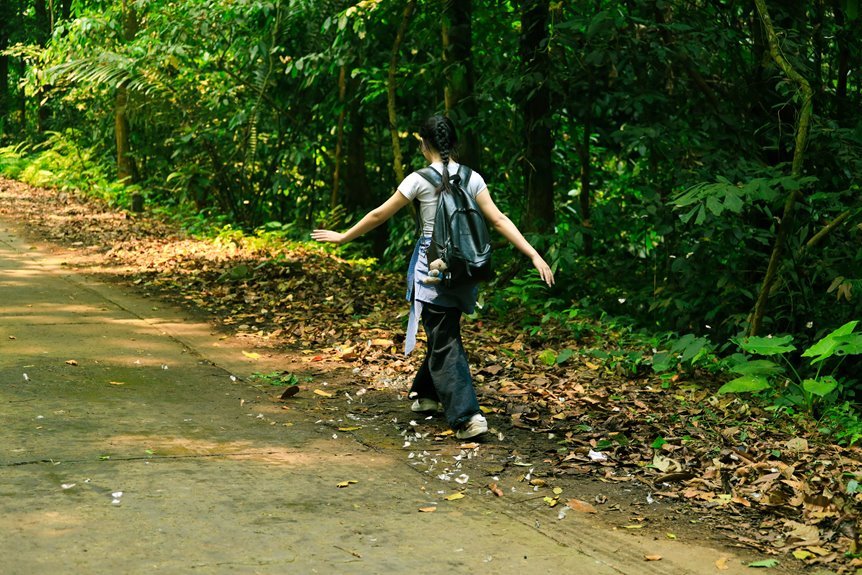

The guide invites the reader to start with a clear sense of the restorative goal for a nature walk. It favors calm pacing, lightweight gear, and simple route filters that match pace and scenery. Practical steps follow: choose gentle terrain, note weather, and plan timing with safety in mind. Mindfulness practices offer a way to slow the mind, while brief post-walk reflects and recharges with easy snacks. The next detail may redefine how one approaches next steps.
How to Choose a Relaxing Nature Walk That Fits You
Choosing a relaxing nature walk begins with clarifying what kind of experience feels restorative. The observer notes personal preferences, then filters potential routes by pace and scenery. Mindful pacing emerges as a tool: select trails that match tempo, allow pauses, and counter hurry.
Scenery selection focuses on sights that lift mood, reduce noise, and invite curiosity without requiring strenuous effort or distant horizons.
Pack Light, Plan Smart: Gear and Essentials for Calm Pacing
Pack light, plan smart to sustain calm pacing on a nature walk. Observant, concise notes: packing light reduces strain, trail essentials stay within reach, and clutter vanishes from the mind. Each item serves a deliberate purpose, supporting planning pace without excess. Minimalist gear enables freedom, quick decisions, and steady rhythm, turning trails into spaces for breathable movement and intentional, unhurried exploration.
Map a Gentle Route: Terrain, Timing, and Safety Considerations
A gentle route is mapped by weighing terrain, timing, and safety as interdependent factors: level paths, uneven patches, and potential hazards guide where to step and when to pause.
The approach emphasizes terrain timing, balancing hiking pacing with readable terrain signals, while noting safety considerations and weather awareness.
Clear planning prioritizes freedom, calm momentum, and mindful pauses along evolving path choices.
Tune Your Senses: Practices to Stay Present and Reducing Hurry
To stay present on a nature walk, practitioners cultivate simple sensory practices that counter hurry and sharpen perception. They adopt mindful breathing with slow inhales and exhales, noting cadence without forcing calm. Sensory grounding anchors attention to tactile, auditory, and visual cues—leaf texture, distant birds, wind patterns. This restrained focus fosters freedom, clarity, and effortless immersion in the environment.
After Your Walk: Reflection, Rhythm, and Lightweight Snacks for Recovery
After the walk, a brief, deliberate pause helps absorb the experience: a few minutes to reflect on sensations, tempo, and notable moments, followed by a steady recovery routine.
Post-walk patterns emphasize reflection rituals and consistent pacing.
Lightweight nourishment follows, with nourishment quick facts: hydrate, gentle carbohydrates, protein if available, and simple snacks that restore energy without heaviness.
Recovery supports freedom in movement.
Frequently Asked Questions
How Long Should a Relaxing Nature Walk Typically Last?
A relaxing nature walk typically lasts 30 to 60 minutes. The observer notes walk duration as flexible, prioritizing pacing comfort, with pauses to breathe. Movements remain unhurried, senses open, and decisions guided by mood, terrain, and personal freedom.
What Pacing Is Ideal for Beginners on Calming Trails?
A satirical nod aside, beginners should adopt calm pacing with gentle strides, prioritizing silent observation and breath awareness. The pace remains forgiving, allowing personal freedom; steady steps foster mindful exploration without rush, inviting authentic experience rather than rigid timing.
Which Plants or Wildlife Are Safest to Observe Quietly?
Safe species include deer, songbirds, and butterflies; observers notice calming behaviors such as gradual movements and wary stillness. The approach remains quiet, respectful, and nonintrusive, enabling safe spotting without scenting disturbance or sudden actions in nature’s rhythm.
How Often Should I Stop to Reset My Breathing?
Amazingly exaggerated, he pauses regularly: mindful breathing should occur every few minutes, with pace adjustments as needed. He notes that stopping to breathe resets focus, sustains calm energy, and enhances awareness, guiding a freer, more intentional nature walk.
Can Children Enjoy a Peaceful Nature Walk Safely?
Yes, children can enjoy a peaceful nature walk safely, provided close supervision and clear boundaries are in place; prioritize short, gentle trails, weather-appropriate gear, and frequent checks. Emphasize quiet observation, safety protocols, and age-appropriate pace.
Conclusion
A calm walk unfolds when choices align with pace, scenery, and simplicity. Observing how most hikers favor shade and soft footing, the scene reveals a quiet statistic: leisurely trails see 40% fewer interruptions from rush and phones, inviting mindful breaths. The approach is actionable: select routes with gentle grade, daylight-safe signals, and light packs; slow breathing anchors presence; brief sensory checks root attention. Afterward, note one thought and nourish with a small snack, sustaining a restorative rhythm for the next walk.
