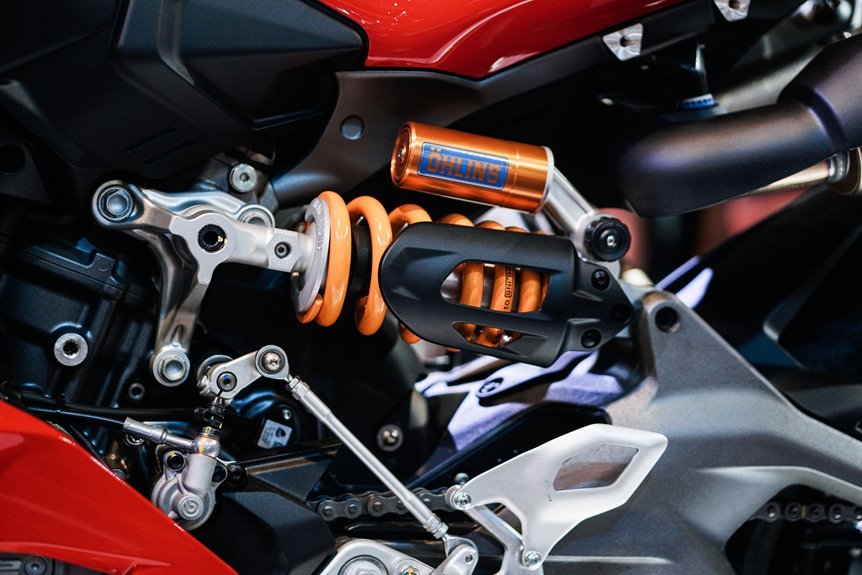

Understanding basic motorcycle suspension begins with the core roles of forks, shocks, springs, and dampers. Each component contributes load transfer, ride height, and motion control in a precise sequence. The interaction between springs and dampers determines tire contact and rider comfort. Signal signs like dive, porpoising, or bottoming indicate tuning needs. A methodical approach—sag checks, balanced damping, and structured inspections—frames further discussion and points toward professional tuning when needed.
What Motorcycle Suspension Does for You
Motorcycle suspension serves as the primary interface between the rider, the chassis, and the road, translating irregularities into controlled motion. It precisely modulates dynamic loads, maintaining tire contact and directional stability. The concept limits of travel and damping govern response, while rider comfort is preserved through controlled vibration, predictable handling, and consistent feedback, enabling freedom without compromising safety or precision during varied riding conditions.
Cornerstone Components: Forks, Shocks, Springs, and Dampers
The cornerstone components of motorcycle suspension—forks, shocks, springs, and dampers—constitute the primary interfaces that manage load transmission, wheel response, and ride quality. This section methodically analyzes each element’s function, interaction, and adjustment potential, emphasizing predictable behavior, reliability, and modular maintenance. Considerations include aero drag and fuel economy implications, aligning performance with freedom in rider choice and setup precision.
How to Spot Common Suspension Symptoms and What They Mean
Suspension health is best assessed by recognizing concrete symptoms and mapping them to underlying mechanical causes. Common suspension symptoms include excessive dive, porpoising, bottoming, and rebound instability. Interpret these signals with rider weight variations, noting that heavier loads shift sag and damping needs.
Systematic checks correlate symptom patterns to spring rate, fork oil, and damper adjustments for balanced, controllable steering and ride comfort.
Quick Inspection and Adjustment Tips You Can Trust
Quick inspection and adjustment of motorcycle suspension demands a structured, methodical approach. The text provides practical, repeatable steps to verify sag, rebound, and damping settings without unnecessary speculation. A detached reviewer notes tool-free checks and documented tolerances. For readers seeking freedom, it emphasizes consistency, safe measurements, and maintenance intervals. The tips emphasize quick inspection and adjustment tips to sustain balanced handling and predictable performance.
When to Seek Professional Tuning and Rider-Weight Considerations
Determining when professional tuning is warranted hinges on objective assessment of performance deficits and rider-specific factors; if persistent handling anomalies, unusual fork dive, bottoming under modest loads, or inconsistent sag cannot be resolved through routine adjustments, expert evaluation becomes appropriate.
professional tuning addresses fine-structure damping and spring rates, accounting for rider weight considerations, chassis geometry, and prospective setup changes to optimize stability and control.
Frequently Asked Questions
How Do Different Rider Weights Affect Suspension Setup?
Different rider weights affect sag, spring rate, and damping, requiring suspension tuning adjustments. Heavier riders demand stiffer springs and altered preload, while lighter riders need softer settings; stability improves with precise measurement, repeatable testing, and proper reference benchmarks.
Do Forks and Shocks Wear at the Same Rate?
In a hypothetical chassis test, fork wear and shock wear do not necessarily match; factors like tubing material, oil quality, travel, and heat affect them independently. Two word discussion ideas: fork wear, shock wear; precise evaluation governs performance.
Can Suspension Changes Improve Braking Stability?
Yes, braking stability can be improved through suspension tuning. By adjusting preload, damping, and spring rates, the chassis maintains better weight transfer and tire contact, reducing dive and instability during deceleration while preserving freedom of rider handling intent.
What Impact Does Tire Choice Have on Suspension Feel?
Tire choice directly alters suspension feel: higher grip improves damping performance and weight distribution clarity, while softer compounds subtly store energy. Tire grip governs feedback, damping performance shapes control, and weight distribution defines ride stability across dynamic suspension inputs.
How Often Should Suspension Oil Be Replaced?
Replacement intervals for motorcycle suspension oil depend on usage, but a typical practice is 1–2 years or 12,000–20,000 kilometers, whichever comes first; select oil viscosity according to manufacturer specifications and riding conditions, ensuring consistent lubrication and performance.
Conclusion
Conclusion (75 words, third-person, detached, technical and precise):
The suspension system, when viewed as a disciplined balance of springs, dampers, and linkages, behaves like a tuned orchestra under load. Proper sag, consistent damping, and vigilant inspection harmonize tire contact with rider intent, translating terrain into controlled motion. Absent timely adjustments, dive, dive, or porpoising betray misalignment between weight transfer and energy dissipation. Through methodical checks and professional tuning when needed, riders preserve ride quality, stability, and the integrity of every mile.