Newsletter Subscribe
Enter your email address below and subscribe to our newsletter
Enter your email address below and subscribe to our newsletter

 ByOlivia
Telephone caller lookup for the listed numbers intersects ongoing concerns about origin inference, data accuracy, and user privacy. The process relies on multiple data sources, including carrier records and crowd reports, with varying latency and validation standards. Stakeholders must weigh risk assessments, consent-based sharing, and auditable governance when integrating call metadata. The discussion invites scrutiny of classifications, privacy safeguards, and practical mitigation strategies, leaving unresolved how best to balance transparency with operational constraints.
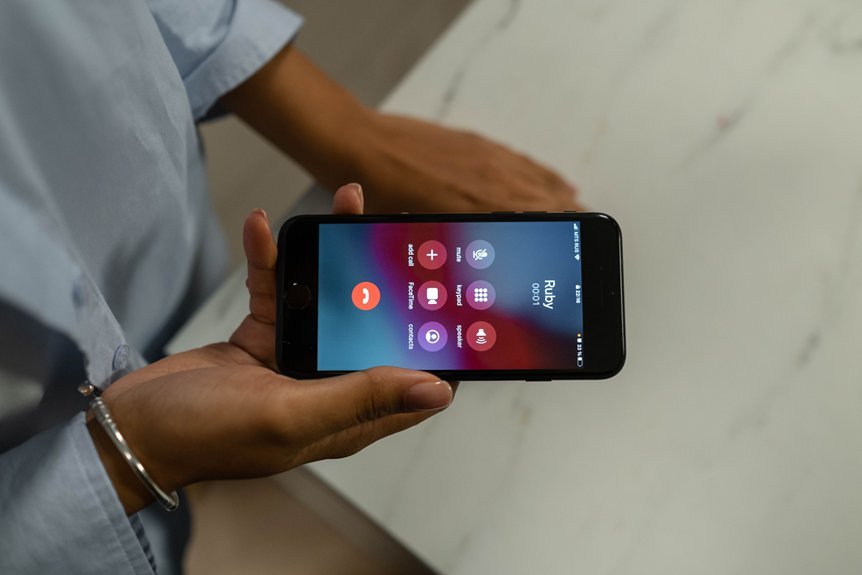
Telephone caller lookup is the process of identifying the originator of a telephone call by matching incoming numbers against reference databases and call metadata.
The practice informs risk assessment, regulatorily compliant disclosures, and consumer empowerment.
It clarifies telephone privacy implications, enabling informed consent and selective sharing.
However, it alters spam risk dynamics, requiring transparent data handling and robust verification to protect user autonomy.
Caller ID data originates from multiple sources and is assembled into reference records used to identify call origins, verify authenticity, and inform risk assessments.
Data fusion underpins Caller ID processing, aggregating telecommunication networks, carrier databases, and crowd-sourced reports.
Accuracy varies with reporting latency and SIM techniques.
Privacy implications arise from data reuse, storage length, and potential exposure, necessitating transparent governance and user-centric safeguards.
A systematic approach to verifying numbers before answering combines automated screening, source cross-checks, and context-aware judgment. Operators should implement real-time validation, cross-reference with trusted directories, and flag anomalies for manual review.
Caller data informs risk assessment while preserving privacy concerns. Transparent logs support auditing and compliance; excessive data collection is avoided, ensuring efficient, rights-respecting verification before engagement.
In managing calls, a safe, clutter-free screen is achieved by filtering incoming data through stringent validation, structured categorization, and real-time anomaly detection. The approach emphasizes caller ID accuracy and privacy safeguards, ensuring reliable identification while protecting user data. Components include consistent metadata tagging, disciplined whitelisting/blacklisting, and auditable logs. This framework supports compliant, user-centric call management without unnecessary complexity.
Yes, blocking spoofed calls is possible with enhanced call screening and dedicated spam filters; however, effectiveness varies by provider and technology. Regulations support responsibility, yet ongoing updates are necessary to block spoofing comprehensively and reduce nuisance calls.
These numbers cannot be definitively labeled without investigation; however, patterns suggest potential telemarketing or scam activity. A thorough review supports broad consumer protection with caution, acknowledging scammer patterns while avoiding definitive attribution to any single entity.
Caller ID databases update on varying cadences, with some sources refreshing daily and others monthly; for example, a regulatorily compliant registry may refresh weekly. This affects caller id accuracy and lookup reliability over time.
No. Tracing a call to its original source is often infeasible due to spoofing; call paths may be obscured by intermediaries. The analysis emphasizes trace source insights and spoofing prevention within regulatory, privacy-conscious practices.
Yes, there are legal risks. The analysis identifies legal compliance requirements, including consent and data protection frameworks, and privacy implications. Third-party lookup usage requires careful alignment with regulatory standards to avoid penalties while preserving user autonomy.
Telephone caller lookup combines carrier data, crowd reports, and metadata to classify numbers and flag risks. While data fusion enhances coverage, accuracy varies with source quality and consent controls. Users gain clearer classifications and auditable logs, supporting privacy-preserving decisions. Practical verification and governance reduce spam and misidentification. In sum, transparency and robust validation anchor trust, like a lighthouse guiding wary callers through a fog of uncertain origins. Conclusion: disciplined data governance steadies the ship of caller ID.