
Newsletter Subscribe
Enter your email address below and subscribe to our newsletter

 ByJohn A
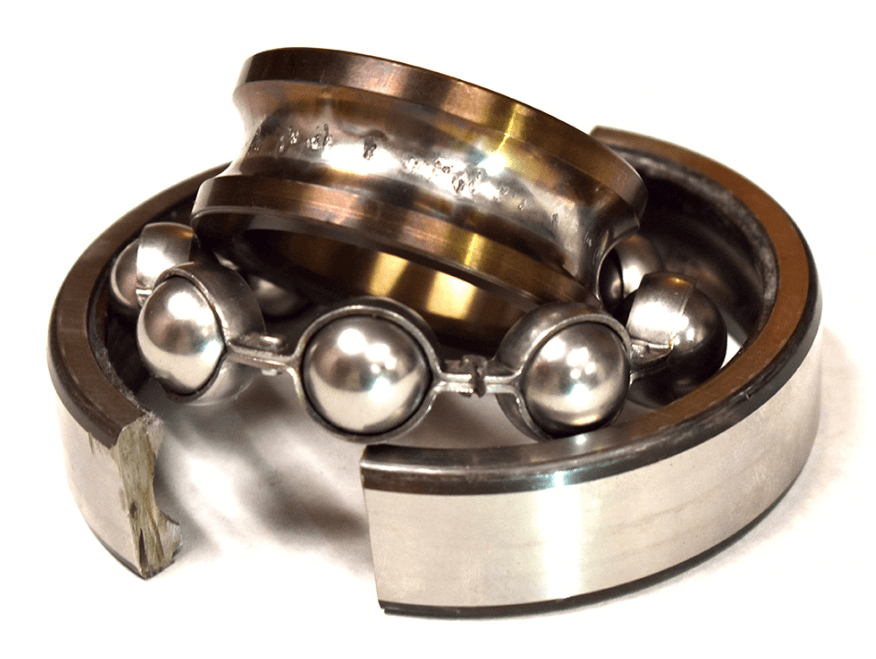
Bearings are small but important parts that help machines run smoothly. They let wheels turn, motors work quietly, and conveyor belts move easily. But if bearings fail, it can cause expensive repairs and stop work. This blog post explains why bearings are important and what is the most common cause of bearing failure. Understanding this can help save time, money, and problems by keeping machines running smoothly.
Bearings are key parts inside machines that help things move smoothly. They do this by lowering the friction (the rubbing) between moving parts. Here’s what bearings do:
Bearings help machines run smoothly and last longer, making them important parts in many types of industries.
See also: Learn More about the technotricks
Contamination causes most bearing failures. Dirt, dust, water, and other unwanted materials enter the bearing and cause damage. Studies show that contamination causes about 1 in 6 bearing failures. This usually happens when seals fail to keep these particles out.
Bearings can get dirty from:
Contaminants harm bearings by:
To ensure bearings last longer, use proper seals, maintain them regularly, and keep their surroundings clean.
Besides contamination, bearings can fail due to several other important reasons:
Using too little, too much, or the wrong type of lubricant can cause excess friction and heat. This wears out the bearing faster and can lead to serious damage.
If a bearing is installed incorrectly or the shaft isn’t properly aligned, it puts uneven pressure on the bearing. This leads to wear faster and early failure.
Bearings are designed to handle specific loads. If they are overloaded or exposed to sudden heavy impacts, they can become damaged, bent, or cracked.
Exposure to water, chemicals, or humid conditions can cause rust and corrosion. This weakens the bearing surfaces and shortens their lifespan.
Over time, repeated use causes small cracks and surface wear. This is known as fatigue, and it’s a natural part of a bearing’s life cycle—but it can lead to failure if not caught early.
Following these steps helps prevent bearing failure and keeps your machines running smoothly.
Detecting bearing problems early is important to avoid machine breakdowns and expensive repairs. Here are some common warning signs to watch for:
Unusual sounds or increased vibration often mean the bearing is worn, damaged, or misaligned—an early sign of trouble that should not be ignored.
A hot bearing may signal poor lubrication or overload. It’s a clear warning that something’s wrong and needs quick attention.
When inspecting the bearing, look for signs like:
These are all signs that the bearing is wearing out and may soon fail.
If the machine starts to work more slowly, less smoothly, or with more effort, worn bearings might be the cause. They make it harder for the machine to operate efficiently.
Grease or oil that looks dirty, gritty, or is leaking out of the bearing area could mean contamination or internal damage.
Watch for warning signs like unusual noise, vibration, heat, visible damage, or poor machine performance. These signs often mean the bearing is worn or failing. Regular checks help catch problems early, reduce downtime, and extend bearing life.
To keep motor bearings working well and prevent problems, follow these key steps:
Use seals, shields, and covers to block dust, dirt, and water from entering the bearings. Maintain a clean environment around the bearings, and clean and inspect them regularly to catch any dirt or moisture early before it causes damage.
Select the correct lubricant based on the bearing type and operating conditions such as speed, load, and temperature. Follow the manufacturer’s recommended lubrication schedule. Regularly check the lubricant’s condition to ensure it remains clean and effective.
Train personnel to install bearings properly using the correct tools. Proper installation and alignment ensure the bearings carry loads evenly, preventing premature wear and damage. Check alignment regularly to maintain optimal performance.
Make sure the bearing only handles the amount of weight or force it was designed for. Too much load or sudden heavy impacts can cause cracks, deformation, or early failure. Always follow the manufacturer’s load limits and avoid shock loads to keep bearings in good condition longer.
Use corrosion-resistant materials, coatings, seals, or covers to protect bearings from moisture, chemicals, and other harsh conditions. This prevents rust and other damage that can shorten bearing life.
Conduct frequent inspections to monitor vibration, temperature, and noise levels. Early detection of abnormalities allows timely maintenance or replacement, preventing unexpected failures and costly downtime.
These preventive strategies can significantly extend bearing life, improve machine reliability, and reduce maintenance costs.
Bearings help machines run smoothly by reducing friction, supporting loads, and aligning parts. The main cause of bearing failure is contamination, which happens when dirt, dust, water, or other unwanted materials get inside and damage the bearing. This causes wear, corrosion, and lubricant breakdown, usually due to failed seals.
Other causes like lubrication issues, improper installation, overloading, corrosion, and fatigue also contribute, but are less common. To prevent failure and keep machines running well, it’s important to use proper seals, maintain correct lubrication, install and align bearings correctly, avoid overloading, protect bearings from harsh conditions, and monitor them regularly.
Understanding these causes and applying preventive care helps extend bearing life, reduce downtime, and avoid costly repairs.