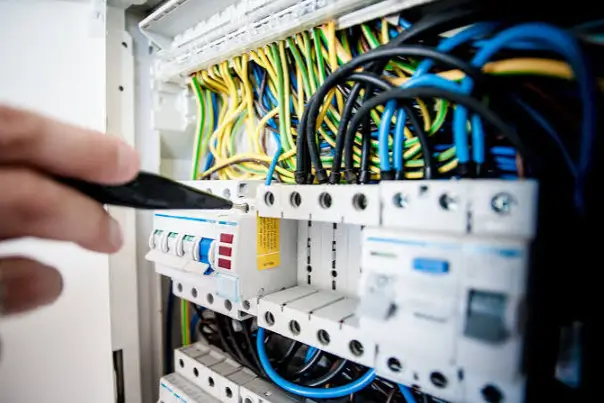

An electrical panel plays an important role in managing the electricity requirements of a residential property. It distributes power to different circuits and helps protect household wiring from excessive electrical current. As modern homes become increasingly dependent on electronic devices and high-powered appliances, understanding electrical capacity is essential for maintaining safety and reliable performance.
Many homeowners are unaware of how much electricity their homes require or whether their existing electrical infrastructure can accommodate additional appliances. Learning about electrical capacity can help homeowners make informed decisions regarding maintenance, renovation, and future improvements.
What Is Electrical Panel Capacity?
Electrical panel capacity refers to the amount of electrical current that a distribution system is designed to handle safely. This capacity is commonly expressed in amperes, also known as amps.
Residential properties may have different electrical service ratings depending on their age, size, location, and electricity requirements.
Common residential service ratings include:
- 60-amp service, which may be found in some older properties.
- 100-amp service, which can support many residential electricity requirements.
- 150-amp service, depending on property requirements and installation design.
- 200-amp service, commonly installed in many modern homes.
- Higher-capacity systems for properties with substantial electrical demands.
The appropriate capacity depends on professional load calculations rather than the size of a property alone.
Why Electrical Capacity Matters for Homeowners
Modern households use electricity for numerous daily activities. Heating and cooling systems, kitchen appliances, computers, televisions, and charging equipment all contribute to total electrical demand.
An appropriately designed electrical system supports these requirements while helping reduce the likelihood of overloaded circuits.
Supporting Multiple Appliances
A household may operate several appliances simultaneously, particularly during periods of high electricity consumption.
Proper electrical capacity helps ensure that the distribution infrastructure can accommodate the calculated demand safely.
Reducing Electrical Overloads
An overloaded circuit can experience excessive current, causing its protective breaker to trip.
Correct circuit sizing and load distribution help reduce unnecessary interruptions while protecting electrical wiring.
Preparing for Future Improvements
Home renovations and additional electrical equipment can change a property’s electricity requirements.
Evaluating available capacity before installing new appliances helps homeowners plan improvements more effectively.
Factors That Influence Electrical Panel Capacity
Several factors determine how much electricity a residential property requires.
Property Size and Layout
Larger properties may contain additional rooms, electrical outlets, lighting fixtures, and heating or cooling equipment.
However, property size alone does not determine the required electrical service capacity.
Number of Electrical Appliances
High-demand appliances can contribute significantly to overall electricity consumption.
Electric ovens, water heaters, air conditioning systems, and clothes dryers are examples of equipment that may require substantial electrical power.
Heating and Cooling Requirements
Electric heating and cooling equipment can represent a significant portion of a property’s calculated electrical load.
The type, size, and operating characteristics of these systems influence electrical capacity requirements.
Additional Electrical Equipment
Electric vehicle chargers, workshop machinery, outdoor equipment, and other installations may increase the demand placed on residential electrical infrastructure.
Professional evaluation is recommended before connecting equipment that requires significant additional power.
Signs Your Existing Electrical Capacity May Be Insufficient
Electrical systems can develop problems when circuit loads exceed their designed limits. However, not every electrical issue indicates insufficient overall service capacity.
Some warning signs that require further investigation include:
- Circuit breakers that trip frequently.
- Difficulty accommodating additional electrical circuits.
- Recurring electrical interruptions when certain appliances operate.
- Overloaded individual circuits.
- An aging distribution system with limited expansion options.
- Electrical concerns following major home renovations.
A qualified electrician can determine whether these symptoms result from inadequate capacity, faulty appliances, damaged wiring, or other electrical problems.
When Should You Consider Improving Electrical Capacity?
A property’s electricity requirements can change significantly over time. Installing new appliances, renovating a kitchen, expanding living spaces, or adding electric vehicle charging equipment may require electrical modifications.
An electrical panel upgrade may be recommended when the existing distribution equipment is unsuitable for the calculated electrical load, has deteriorated significantly, or cannot accommodate necessary circuit additions.
Before recommending improvements, a licensed electrician should assess the current installation and perform an appropriate electrical load calculation.
This process helps determine whether additional capacity, new circuits, equipment replacement, or other modifications are required.
How Electricians Determine Electrical Capacity Requirements
Professional electricians use established calculation methods to evaluate residential electrical demand.
Evaluating Existing Electrical Loads
The electrician reviews the property’s electrical equipment, including lighting, appliances, heating systems, and other installed devices.
This information helps establish the calculated electrical requirements of the property.
Assessing Available Circuit Space
The number of available breaker positions can influence whether additional circuits can be installed.
However, available space does not automatically mean that the system has sufficient electrical capacity.
Examining Existing Equipment
The condition and ratings of the distribution equipment are evaluated to determine whether they remain suitable for the installation.
Considering Future Electricity Requirements
Planned renovations, additional appliances, or charging equipment may be considered during the assessment.
This approach helps homeowners avoid unnecessary modifications while preparing for anticipated electrical needs.
Common Mistakes Homeowners Should Avoid
Understanding electrical capacity can help homeowners avoid decisions that may compromise safety.
Assuming More Breakers Mean More Capacity
Installing additional circuit breakers does not automatically increase the electrical capacity of a property.
The available supply, equipment ratings, circuit design, and calculated electrical load must all be considered.
Ignoring Repeated Electrical Problems
Frequently tripping breakers and other recurring electrical issues should never be treated as normal operating conditions.
Professional troubleshooting can identify the actual cause.
Installing Incompatible Components
Electrical equipment must be compatible with the manufacturer’s specifications and applicable electrical requirements.
Using unsuitable components can create serious safety hazards.
Attempting Internal Electrical Modifications
Electrical distribution equipment contains components that may remain energized even after the main breaker is switched off.
Internal modifications should only be performed by qualified electrical professionals.
Benefits of Proper Electrical Capacity Planning
Appropriate capacity planning provides several long-term advantages for residential properties.
It allows homeowners to understand their electricity requirements, prepare for future renovations, and identify potential limitations before installing additional equipment.
Professional planning also supports correct circuit design, suitable equipment selection, and compliance with applicable electrical codes.
By evaluating electrical requirements in advance, homeowners can make informed decisions that support safety, reliability, and long-term household functionality.
Conclusion
Understanding electrical panel capacity is essential for maintaining a safe and dependable residential electricity supply. As households continue adopting modern appliances and electrical technology, evaluating existing electrical infrastructure becomes increasingly important.
Recognizing capacity limitations, avoiding overloaded circuits, and consulting qualified electricians can help homeowners prevent unnecessary electrical problems.
With appropriate planning, regular professional assessments, and properly installed equipment, homeowners can maintain an electrical system that supports their current needs while accommodating future improvements.